Top Freight Brokerage Companies in 2026: Complete List & Industry Guide
The freight industry in 2026 looks very different from just a few years ago. The market of freight brokerage companies has grown rapidly, driven by global supply chain expansion, e-commerce demand, and increasing pressure on delivery speed and cost efficiency. At the same time, competition among freight broker companies has intensified significantly, making it harder for shippers and carriers to identify truly reliable partners.
One of the biggest shifts in recent years is the level of automation entering logistics workflows. Modern logistics brokers are no longer just intermediaries matching loads and trucks - many now operate as tech-enabled platforms using AI-driven pricing tools, automated dispatch systems, and real-time tracking. This transformation has improved efficiency, but it has also raised the bar for transparency and trust.
Alongside innovation, the industry is facing persistent challenges. Fraudulent activities such as double brokering, “ghost loads,” and payment delays continue to impact relationships between carriers and brokers. Even established freight brokerage companies in the USA are not immune to issues related to verification, credit risk, and operational reliability. As the ecosystem becomes more complex, due diligence is no longer optional - it is essential.
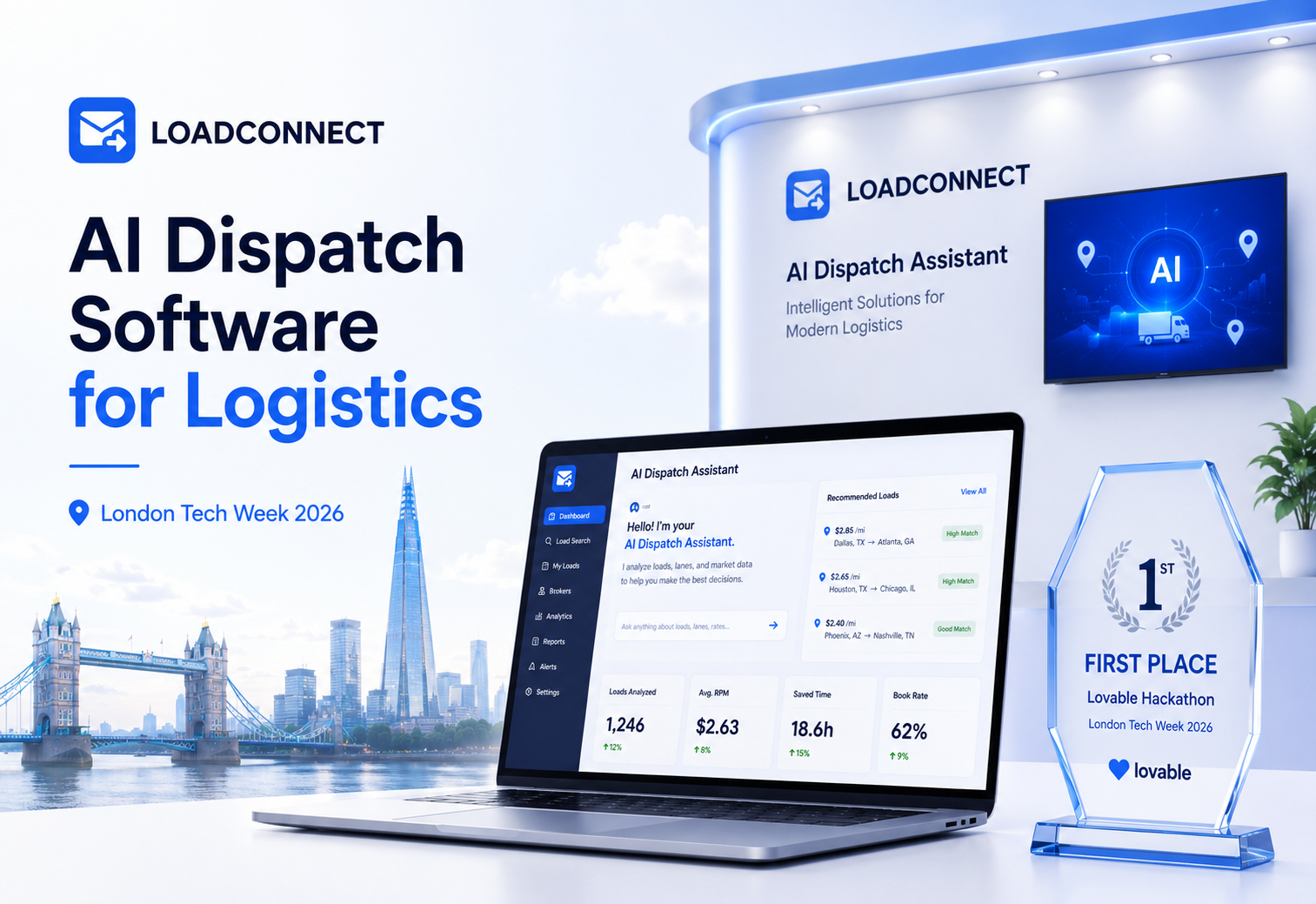
As the industry becomes increasingly data-driven, many carriers and shippers are also turning to modern tools that help them assess risk, compare opportunities, and identify reliable partners faster. Platforms like LoadConnect are part of this shift - helping simplify how companies navigate a fragmented and fast-moving brokerage landscape without relying solely on outdated lists or manual verification processes.
Choosing the right brokerage partner in 2026 matters more than ever. The difference between working with a reliable broker and an unreliable one can directly affect cash flow, delivery performance, and overall business stability.
In this article, we will break down the top freight brokerage companies in 2026, explain how these providers are evaluated, and highlight the key differences between large enterprise brokers, fast-growing digital platforms, and niche specialists. We will also cover practical guidance on how to choose a trustworthy partner and explore alternative ways to discover and verify brokers more efficiently.
The goal of this guide is simple: to help you make smarter, safer, and more informed decisions in a market where speed and trust are equally critical.
How We Selected the Companies
To ensure this ranking of top freight brokerage companies is both trustworthy and practical, we used a structured evaluation process based on real-world performance indicators and industry relevance. Our goal was to highlight not just the largest players, but also the most reliable and operationally strong freight broker companies in today’s market.
Key Evaluation Criteria
We assessed each provider using the following factors:
- Volume of shipments
The scale of operations handled by each brokerage, including daily load capacity and network reach across the logistics ecosystem.
- Reputation and reviews
Industry reputation among carriers and shippers, including long-term feedback, market presence, and consistency of service quality within logistics brokers networks.
- Financial reliability
Credit strength, payment history, and overall financial stability - critical for reducing risk when working with freight brokerage companies in USA and global markets.
- Speed of payments
How quickly carriers are paid after delivery, which directly impacts cash flow and trust between partners.
- Technology and automation
The level of digitalization, including load matching systems, AI-driven pricing, automation tools, and integration capabilities used by modern freight broker companies.
- Fraud risk and complaint historyWe analyzed reported issues such as double brokering, “ghost loads,” delayed payments, and other trust-related concerns that affect freight brokerage companies reliability.
This multi-factor approach allows us to provide a balanced and realistic view of the market, especially in an environment where automation is growing but so are operational risks.
Top 20 Freight Brokerage Companies in 2026
Tier 1: Largest Freight Brokers
Below is a detailed overview of the largest and most established freight brokerage companies in the USA, focusing on scale, reliability, and operational depth. These providers dominate the market and handle massive shipment volumes across multiple modes of transport.
| 🏢 Company | 📊 Overview | ✅ Pros | ⚠️ Cons | 🎯 Best For |
|---|---|---|---|---|
| C.H. Robinson | One of the largest global logistics platforms offering full-service brokerage across truckload, LTL, ocean, and air freight. | Massive carrier network, advanced tech platform, strong global coverage, reliable operations | Less flexible for small carriers, rate pressure, complex onboarding | Enterprise shippers, global supply chains, high-volume operations |
| XPO Logistics | Major logistics provider with strong brokerage and asset-based operations, focused on efficiency and tech-driven freight matching. | Strong tech integration, large US footprint, diversified services, solid operations | Service variability by region, prioritization of large accounts | Mid-to-large shippers needing integrated logistics |
| TQL (Total Quality Logistics) | Fast-growing US freight broker known for aggressive carrier sourcing and high load availability. | High load volume, fast communication, wide lane coverage, strong sales network | Strict onboarding, pricing pressure, high competition | Carriers looking for consistent loads |
| Echo Global Logistics | Tech-enabled brokerage focused on simplifying freight management through automation and digital tools. | User-friendly platform, strong visibility tools, efficient tracking, streamlined workflows | Smaller network vs leaders, regional variability | Tech-focused shippers needing visibility |
| J.B. Hunt Transport Services | Large transportation and logistics company with a strong brokerage arm and intermodal leadership. | Intermodal expertise, strong infrastructure, reliable partnerships, scalable solutions | Enterprise-focused, less flexibility for smaller clients | Large shippers needing multimodal solutions |
| Coyote Logistics (UPS) | UPS-owned brokerage with global reach and integrated logistics capabilities. | Backed by UPS, strong network, reliable capacity, solid tech tools | Corporate processes, slower onboarding, less flexibility | Companies needing global logistics support |
| Landstar System | Asset-light logistics provider with a vast network of independent agents and carriers. | Large carrier base, flexible capacity, strong compliance, agent-driven model | Experience can vary by agent, less centralized control | Specialized freight and flexible logistics needs |
This Tier 1 group represents the backbone of the global logistics market. These companies set the benchmark for scale, compliance, and operational consistency among modern freight brokers, while also influencing pricing dynamics and technology adoption across the entire freight ecosystem.
Tier 2: Fast-Growing & Tech-Driven Freight Brokers
This segment includes modern, technology-first freight broker companies that are reshaping how loads are matched, priced, and managed. Many of these logistics brokers focus heavily on automation, digital platforms, and real-time visibility, making them attractive for shippers and carriers who prioritize speed and transparency.
| 🏢 Company | 📊 Overview | ✅ Pros | ⚠️ Cons | 🎯 Best For |
|---|---|---|---|---|
| Convoy (legacy model / similar platforms) | Digital freight marketplace that pioneered automated load matching and instant pricing. | Strong automation, easy-to-use interface, efficient matching, reduced manual work | Limited flexibility in niche freight, dependent on market liquidity, restructuring challenges | Tech-oriented carriers and shippers |
| Uber Freight | App-based digital freight platform with real-time pricing and tracking. | Fast booking, transparent pricing, strong tech stack, large network | Price volatility, inconsistent service by lane, less personal support | Speed-focused carriers and shippers |
| Flexport | Digital freight forwarder combining logistics services with advanced software and analytics. | Strong visibility, modern platform, global reach, data-driven insights | Higher costs, complex onboarding for smaller users | Global shippers needing end-to-end digital logistics |
| Loadsmart | Automated freight platform focusing on instant pricing and AI-driven booking. | Fast quoting, automation, easy integrations, efficient workflows | Limited coverage in some lanes, less flexibility for complex freight | Shippers needing fast spot quotes |
| Transfix | Tech-driven brokerage using AI for pricing, matching, and route optimization. | Advanced analytics, automation tools, modern UI, efficient load matching | Scaling challenges, smaller network vs Tier 1 | Data-driven logistics teams |
| NEXT Trucking | Digital freight marketplace focused on short-haul and regional automation. | Strong regional optimization, automation, real-time tracking | Limited national coverage, niche focus | Regional carriers and short-haul freight |
| project44 ecosystem / digital marketplaces | Network of API-driven logistics platforms providing visibility, analytics, and integrations. | Real-time data, strong integrations, scalable tech, high automation | Fragmented ecosystem, varying reliability across partners | Companies prioritizing visibility and integrations |
This Tier reflects the ongoing transformation of the brokerage industry. Unlike traditional players, these freight broker companies are built around software rather than legacy processes, making them central to the shift toward automation in logistics.
As automation becomes more widespread, the line between brokerage and software platforms continues to blur - creating a new generation of logistics brokers where decision-making, pricing, and risk assessment are increasingly handled by algorithms rather than manual coordination.
Tier 3: Niche & Specialized Freight Brokers
This category includes specialized freight brokerage companies that focus on specific freight types, equipment, or geographic regions. While they may not operate at the scale of Tier 1 providers, they often deliver stronger expertise and better service in their niche segments.
| 🏢 Company | 📊 Overview | ✅ Pros | ⚠️ Cons | 🎯 Best For |
|---|---|---|---|---|
| Bennett Motor Express | Specialized in flatbed, heavy haul, and government/defense logistics. | Deep expertise in flatbed and heavy freight, strong compliance, experienced network | Higher costs, niche-focused operations | Construction, government, heavy industry |
| PS Logistics (P&S Transportation) | Leading flatbed-focused logistics provider handling steel, construction, and industrial freight. | Strong flatbed network, reliable capacity, industry specialization | Limited beyond flatbed segment | Manufacturing, steel, construction |
| Allen Lund Company | Well-known reefer broker specializing in food-grade and temperature-controlled freight. | Strong reefer expertise, reliable carrier network, high compliance standards | Seasonal capacity constraints, premium pricing | Food and beverage supply chains |
| England Logistics | Diversified broker with strong presence in refrigerated and specialized freight. | Good service reliability, strong partnerships, flexible solutions | Not as large as Tier 1, varies by region | Mid-sized shippers with specialized needs |
| ATS Logistics (Anderson Trucking Service) | Heavy haul and project logistics specialist handling oversized and complex freight. | High expertise in oversized loads, strong regulatory knowledge | Long planning cycles, higher operational costs | Energy, infrastructure, industrial projects |
| Spot Freight (Arrive Logistics platform) | Digital-forward regional broker focused on flexible and mid-market freight solutions. | Agile operations, strong regional coverage, modern tools | Limited global reach, smaller network | SMEs and regional shippers |
Tier 3 brokers often outperform larger competitors in highly specific scenarios, especially where expertise matters more than scale. However, they may lack the technological infrastructure and automation capabilities seen in modern freight brokerage companies in the USA, which is increasingly becoming a key differentiator in 2026.
Common Problems When Working with Freight Brokers in 2026
Despite the growth and modernization of freight brokerage companies, the industry still faces several persistent issues that directly affect carriers, shippers, and overall supply chain reliability. These problems are especially important to understand when choosing among different freight broker companies, as they can significantly impact profitability and operational stability.
Double Brokering
One of the most critical issues in the market is double brokering, where a load is re-brokered without the shipper’s knowledge or approval. This creates a chain of unknown intermediaries, increasing the risk of fraud, payment disputes, and lack of accountability. For carriers, this often means working with an unverified party that may disappear before payment is issued.
Payment Delays
Even among established freight brokerage companies in USA, delayed payments remain a common pain point. While standard payment terms may range from 15 to 45 days, many carriers experience longer cycles due to internal processing delays, disputes, or financial instability of intermediaries. This directly affects cash flow, especially for small and mid-sized operators relying on fast turnover.
Ghost Loads
“Ghost loads” refer to freight postings that appear legitimate but do not actually exist. These are often used to test the market, collect rate information, or in worse cases, mislead carriers into committing resources to non-existent shipments. This problem has grown alongside digital load boards and increased automation within logistics brokers systems.
Lack of Rate Transparency
Another major challenge is the lack of clear pricing visibility across many freight broker companies. Rates can vary significantly depending on negotiation power, market timing, and internal broker margins. Carriers often have limited insight into how pricing is structured, making it difficult to assess whether a load is fairly compensated.
In some cases, the same shipment may be offered at different rates to different carriers, creating inefficiencies and trust issues within the ecosystem of freight brokerage companies.
These challenges highlight why due diligence and verification are more important than ever in 2026. While technology has improved efficiency, it has not fully eliminated risk — which is why many carriers are now combining traditional broker relationships with digital tools that help detect fraud, evaluate creditworthiness, and improve decision-making across the freight market.
How Technology Is Changing the Freight Brokerage Market
The freight industry is undergoing a structural transformation driven by automation and artificial intelligence. Traditional freight brokerage companies are no longer relying solely on manual coordination, phone calls, and spreadsheets. Instead, modern freight broker companies are increasingly powered by data, algorithms, and real-time decision systems.
AI in Dispatching
Artificial intelligence is now actively used in dispatch operations to reduce manual workload and improve decision speed. AI systems can analyze lane history, capacity availability, seasonal demand, and carrier behavior to recommend optimal matches between loads and trucks. This shift is making logistics brokers significantly more efficient, especially in high-volume markets where speed is critical.
Automated Rate Evaluation
One of the most impactful innovations is automated rate benchmarking. Instead of relying purely on negotiation, modern systems can estimate fair market pricing based on historical shipment data, route conditions, fuel trends, and market demand. This helps freight brokerage companies in USA and globally reduce overpaying and improve consistency in pricing decisions.
For carriers, this also increases transparency, allowing them to better evaluate whether a load is fairly priced before committing capacity.
Broker Verification and Risk Detection
As fraud risks like double brokering and “ghost loads” continue to exist, verification systems have become essential. New tools can analyze broker behavior, payment history, complaint patterns, and network relationships to assess reliability before a transaction takes place.
This is where platforms like LoadConnect become particularly relevant in the modern logistics ecosystem. Instead of relying on fragmented directories or outdated databases, LoadConnect helps carriers and shippers identify and evaluate freight broker companies using structured data, including financial reliability signals, operational history, and risk indicators. It also enables users to monitor suspicious patterns across brokers and carriers, helping reduce exposure to fraud and unstable partners.
The Shift Toward Data-Driven Brokerage
Overall, the industry is moving from relationship-based decision-making to data-driven logistics networks. The most successful freight brokerage companies are those that combine strong operational capacity with advanced technology stacks, enabling faster decisions, lower risk, and higher efficiency.
As automation continues to expand, tools that provide visibility, verification, and intelligent matching are becoming a core part of how modern logistics operates - rather than just a competitive advantage.
How LoadConnect Helps Work with Freight Brokers
Working with freight brokerage companies in 2026 requires more than just finding available loads - it requires verification, risk assessment, and data-driven decision-making. As the number of freight broker companies continues to grow, so does the complexity of identifying reliable partners and avoiding bad actors in the market.
This is where LoadConnect fits naturally into the modern logistics workflow - not as a replacement for brokers, but as a layer of intelligence that helps carriers and shippers make better decisions when working with logistics brokers.
Monitoring Suspicious Brokers
LoadConnect helps identify potentially risky activity across the brokerage ecosystem by tracking behavioral patterns, inconsistencies, and red flags that may indicate fraud or unreliable operations. This includes signals often associated with double brokering, repeated complaints, or abnormal transaction behavior within freight brokerage companies in USA and other markets.
Financial Reliability Assessment
One of the most important factors in selecting a broker is financial stability. LoadConnect provides structured insights into payment behavior, credit signals, and historical reliability patterns, helping users evaluate whether a freight broker company is likely to pay on time and maintain consistent operations.
This reduces exposure to delayed payments, disputes, and cash flow disruptions - especially critical for small and mid-sized carriers.
Automated Rate Analysis
Instead of relying on guesswork or fragmented market knowledge, LoadConnect enables automated analysis of freight rates based on available market data and historical trends. This helps carriers quickly understand whether a rate offered by a broker is competitive, underpriced, or above market average.
For freight brokerage companies, this also increases transparency and encourages more consistent pricing behavior across the market.
Finding Relevant Loads Faster
Beyond risk and pricing, LoadConnect also helps streamline load discovery by matching carriers with relevant freight opportunities based on equipment type, lanes, and preferences. This reduces time spent searching across multiple platforms and improves dispatch efficiency.
Overall, LoadConnect acts as a decision-support layer for the modern freight ecosystem. As freight brokerage companies continue to scale and digitize, having structured visibility into broker reliability, pricing quality, and load relevance becomes increasingly important for staying competitive and reducing operational risk.
How to Choose a Freight Broker (Practical Guide)
Choosing among thousands of freight brokerage companies is not just about finding available loads - it’s about reducing risk, ensuring stable cash flow, and working with reliable freight broker companies that can support long-term operations.
Below is a practical framework that carriers and shippers can use to evaluate logistics brokers before committing to partnerships.
What to Look At
- Credit score / credit profile
Always check the broker’s credit standing through industry tools or databases. A strong credit profile usually indicates financial stability and lower risk of payment issues.
- Payment history
One of the most important indicators. Reliable freight brokerage companies in USA typically maintain consistent payment cycles and clear terms (e.g., net 15–30). Frequent delays or disputes are a red flag.
- Reviews and carrier feedback
Real-world experiences from other carriers matter more than marketing claims. Look for patterns in feedback across multiple sources - especially around disputes, communication, and transparency.
- Load stability / volume consistency
A trustworthy freight broker company should offer steady freight flow rather than irregular or unpredictable load availability. Consistency often reflects stronger shipper relationships.
Practical Checklist Before Working With a Broker
Before accepting a load, quickly verify:
- Is the broker properly registered and active in the market?
- Does the credit profile match acceptable risk levels?
- Are payment terms clearly defined and reasonable?
- Is there any history of complaints or fraud-related issues?
- Does the load rate align with market averages for that lane?
- Is communication professional and consistent?
Using this checklist helps reduce exposure to unreliable freight brokerage companies and improves long-term operational stability.
Where to Find More Freight Brokers
Instead of relying on limited lists of freight brokerage companies, static directories, or outdated load boards, modern carriers and shippers are increasingly moving toward data-driven platforms that provide real-time visibility and structured company information.
Traditional “lists of freight brokers” can be useful for getting started, but they often lack verification, updated operational signals, and deeper context about reliability - which is critical when working with freight broker companies in a high-risk environment.
A More Scalable Way to Discover Brokers
This is where LoadConnect Directory becomes relevant as a modern alternative.
Instead of manually searching through fragmented sources, users can access a centralized ecosystem that includes:
- 2M+ trucking companies and logistics providers
- A structured database of freight brokerage companies in USA and carriers
- Advanced filters to narrow down by equipment type, lanes, region, and activity
- Built-in verification signals to help assess reliability and reduce exposure to risky logistics brokers
This approach allows users to move beyond static lists and instead work with a dynamic system where discovery and evaluation happen in the same workflow. Instead of guessing how reliable a broker is - you can see it in the data before you make a decision.
Join LoadConnect today and start making freight decisions based on data - not guesswork - faster, safer, and only with verified brokers.